
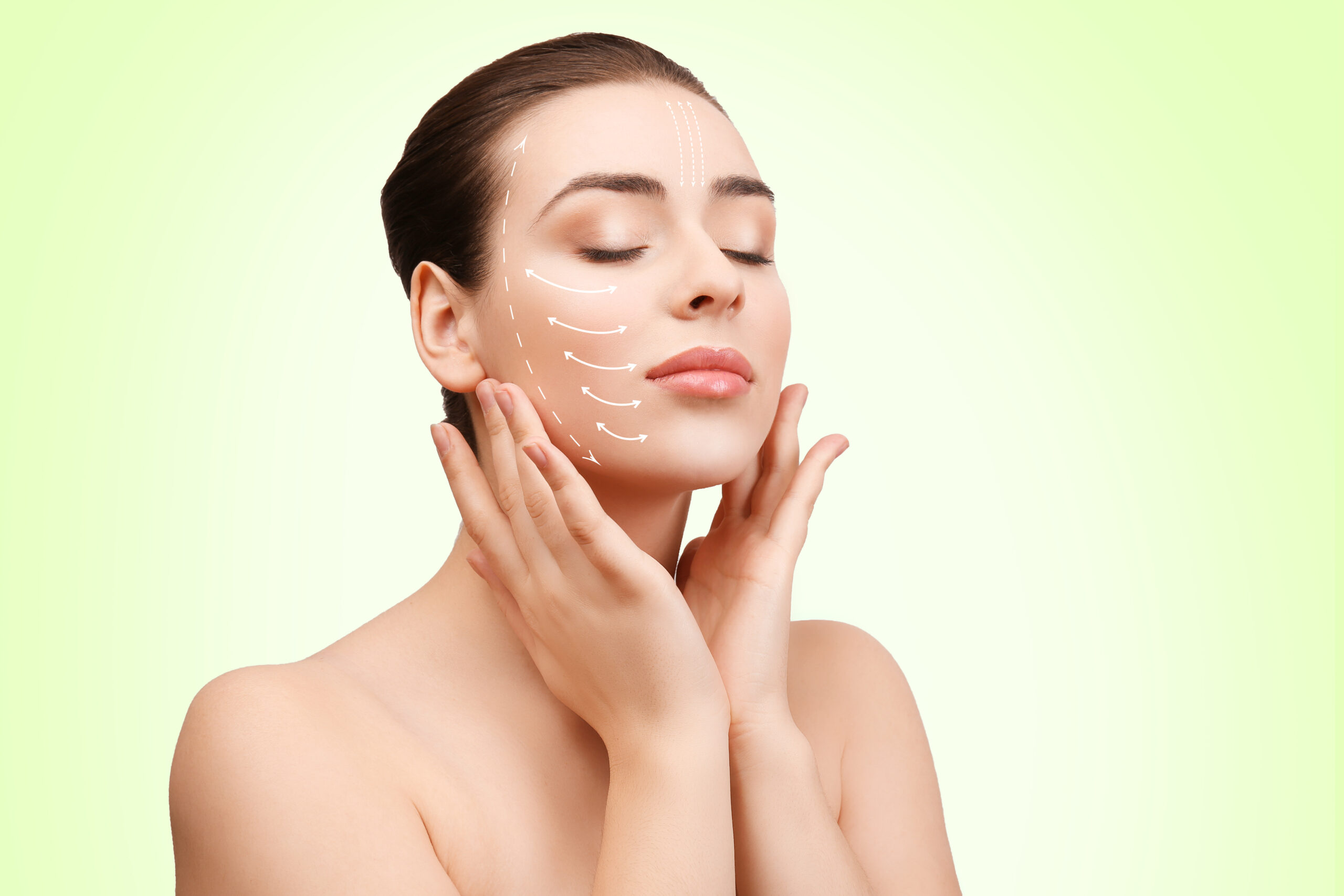
This has become the most common question we receive on the first contact with prospective facial restoration / rejuvenation patients. No longer do patients arrive in clinic with no knowledge of the clinical terms we use, and probably for the last 6/7 years the term ‘deep plane’ has become the term of the moment in face lifting surgery. Interestingly the term was first coined around 35 years ago and anatomically described 50 years ago. Andrew Jacono re-popularised the term with some surgical refinements, and perhaps around the time of the covid pandemic, people seeking facial surgery became aware of the term. Perhaps for the first time, patients organised into social media groups, and common surgical terms started to be deciphered so people developed an idea about what was trending, and what was not. However, the reality is deep plane refers to a zone in the face where the surgery takes place, i.e deep plane in itself is not a standardized ‘operation’ that is the same across all surgeons purporting to offer it.
Deep plane is best thought of as an avenue that surgeons use to manipulate your facial tissues back to their natural position. When surgeons talk about planes of surgery, in simple terms a plane is a layer, and different tissues composed of different substances (e.g skin, muscle, fat) are organised in anatomical layers. So all deep plane refers to, is a deeper layer in the face and neck, that in many surgeon’s opinions and clinical experiences, gives better, longer lasting natural results than alternate methods. One obvious question a patient may ask is, ‘well if it’s the best layer to work in, why doesn’t every surgeon use that layer?” Well, the answer to this is multi-faceted. Deep plane is a longer operation, because the layer is more delicate and requires a level of precision other forms of facelift don’t necessarily require. Furthermore, not all surgeons are comfortable with the deeper layers of the face and the more complex anatomy that is encountered. This probably explains why patients more frequently seek a dedicated facial surgeon and that has been my personal experience, and why patients are interested to know my specialism.
Overall ‘deep plane’ isn’t the finished article, there are many things the surgeon has to consider when working in the deep plane. The vector of fixation – vector, simply put, means the direction of lift – vertical/oblique (a bit vertical and bit diagonal)/horizontal. The degree of deep plane ‘release’ is also a variable factor amongst surgeons, and ‘add ons’ such as fat grafting, deep neck sculpting and tissue shaping also play a part in the final result.
In summary, deep plane isn’t a specific operation, it’s just an avenue in the face we are choosing to work in, and it probably isn’t a coincidence that the majority of high volume, dedicated facelift surgeons choose to work in the deep plane. Experience, advanced understanding of facial anatomy and understanding on how facial tissues behave in sickness, health and natural ageing, are critical to the final result, and fine tuning an excellent result for your specific anatomy.
MEET DANIEL SALEH: EXPERT FACELIFT SURGEON
Mr Daniel Saleh is a highly regarded facial plastic surgeon with extensive expertise in deep plane and composite facelift surgery. He is known for delivering refined, natural-looking results through meticulous surgical techniques and a patient-first approach that prioritises individual facial balance over one-size-fits-all treatment.
Every facelift procedure begins with understanding your unique concerns, facial anatomy and long-term goals. Rather than recommending the same solution for every patient, Mr Saleh carefully assesses how ageing has affected your facial tissues to determine the most appropriate surgical approach.
During your consultation, you will undergo a detailed facial evaluation and have the opportunity to discuss your expectations, concerns and desired outcome. Mr Saleh will explain the available treatment options, including mini facelift and deep plane facelift techniques where appropriate, providing honest, expert advice to help you make an informed decision about your facial rejuvenation journey.